
Billybets Promo Code In Canada

Available in Canada, BillyBets Casino shows adults how to activate offer codes, set limits, and play steadily in 2026.

Fortune Gems 2 Slot

Table of Contents

  • The Dog House Megaways Slot
  • Lucky Joker 10 Extra Gifts Slot
  • Sword of Ares Slot
  • Floating Dragon Hold & Spin Slot
  • Leprechaun Riches Slot
  • Fruit Cocktail Slot
  • The Dog House Megaways Slot
  • Sword of Ares Slot
  • Fruit Million Slot
  • The Dog House Megaways Slot
  • Fruit Box Slot
  • Big Fisherman Slot
  • Seven Books Unlimited Slot
  • BillyBets Casino Fortune Slot
  • Sword of Ares Slot
  • Floating Dragon Hold & Spin Slot
  • 9 Mad Hats Slot
  • Floating Dragon Hold & Spin Slot
  • Big Bass Splash Slot
Promo 1

First Things First: Set Up A Clean Account Flow

Before you chase any deal, make the account feel “quiet.” Quiet means you can log in, find your balance, and open the cashier without hunting through menus. It sounds small, but on a phone it’s the difference between a tidy session and a session where you keep backing out, reloading, and getting annoyed.

Imagine you’re on a lunch break and you want a quick spin. If you’re still verifying basic details or fixing a forgotten password, the break is gone. Do the unglamorous setup once, then your future sessions become simple.

Start with profile consistency. Use real details, keep them stable, and avoid random edits right before important actions like withdrawals. Many problems that feel like “the promo didn’t work” are actually just a mid-process account check that interrupts your flow.

Now add limits. Not as a moral statement, as a practical tool. A deposit cap, a loss cap, and a session timer are the trio that prevents the classic “I’ll stop soon” loop. When those are set, your decisions get calmer because you already agreed with yourself.

Finally, decide your device for the day. Switching between devices mid-session is how people lose track of what they activated, where they saw a confirmation, and what the last status update said. One device, one session, fewer loose ends.

Registration and verification without stress

Treat verification like a task you do when you’re not rushed. Make sure photos are clear, documents are readable, and your connection is stable. If you try to do it in a noisy moment, you end up repeating steps, and repeating steps is what makes people tap faster and think less.

Picture this: you start verification on mobile data, the upload stalls, and you try again three times. Later you’re not sure what went through. A calmer approach is to do it once, slowly, then return to play when the account is settled.

Limits, timeouts, and a realistic budget

Set limits based on how you actually play, not how you wish you played. If your sessions tend to run long, set a shorter timer. If you tend to top up when you’re bored, set a tighter deposit cap. These aren’t punishments, they’re guardrails that make the session feel lighter.

Imagine you’re having a rough day and you open the casino to “switch off.” That’s exactly when limits help, because your mood will try to negotiate. A timer doesn’t negotiate. It ends the block, and you get to choose what happens next.
promo 2

Where Offers Usually Live And How To Spot Them Fast

Promotions are rarely hidden, but they’re easy to miss because mobile screens compress information. Buttons become icons, terms get tucked into expandable panels, and status messages appear briefly and disappear. The trick is to know what to look for: an active badge, a progress indicator, and a clear “applied” state.

Imagine you activate something, then jump straight into a game. Ten minutes later you wonder, “Did it actually apply?” If you don’t know where the status lives, you’ll keep guessing. So before you play, open the promo area once and learn where the status line sits. That one habit saves you from a lot of unnecessary frustration.

A practical rule for 2026: don’t activate three things at once. Choose one offer path, commit to it for one session block, then review. If you stack promotions, you can’t tell what is tracking and what is not.

Also, watch your timing. Some offers are time-sensitive in the sense that they are meant to be used within a certain window after activation. You don’t need to memorize details; you just need to glance at the expiry or eligibility line before you start.

“One Offer At A Time” Beats Guessing

Keep a simple notebook habit, even if it’s just in your head: what you activated, when you activated it, and what your plan is for this session. That makes support chats shorter too, because you can describe what you did in a clean order.

Picture a typical moment: you’re excited, you activate something, then you see another deal and switch. Later you can’t remember which one you actually used. One offer per block keeps the story clear.

Using Billybets Promo Code Without Rushing

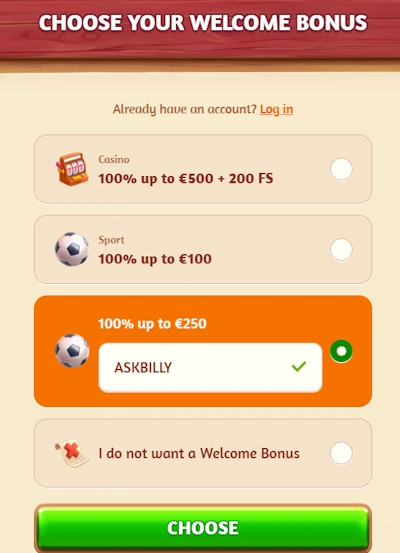
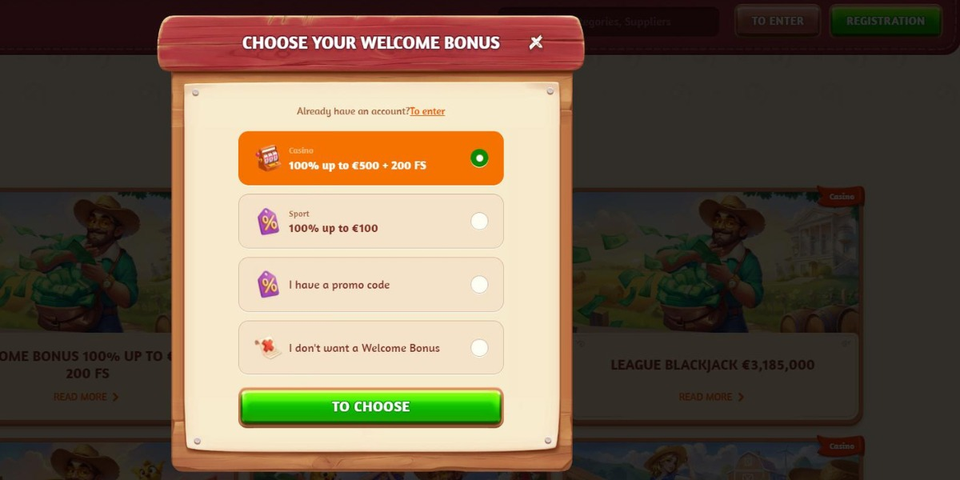
Promo code redemption is where people create chaos with speed. They paste a string, hit confirm, then switch screens, then wonder why nothing looks different. The calm method is slower, but it’s faster overall because you don’t repeat steps.

promo 3

Imagine you’re typing on a phone keyboard that “helpfully” adds a space or changes a character. You confirm, the app shows a small message, and it disappears. Two minutes later you’re not sure if you’re playing with the offer or without it. That’s why the next step matters more than the first: confirm the status right after redemption.

A clean redemption flow looks like this: open the promo or cashier panel, enter the code once, confirm once, then check your promo status page before launching a game. If the status is clear, do a short test run. If it isn’t, stop and fix the setup before you spend real time.

Also, don’t “debug” with emotion. If you see an error message, resist the urge to hammer the confirm button. Close the panel, reopen it, and verify that your account is logged in properly. If it still fails, treat it as an eligibility or input issue and move to support with a factual description.

If you like structure, break the process into two mini-blocks: redemption block (one minute) and play block (your planned session time). That separation helps you avoid mixing tasks and losing track.

The Clean Confirmation Habit

Right after entering a code, look for one thing: a state change. It could be a label that says active, a progress bar, or a confirmation entry in your activity area. You’re not hunting for magic; you’re looking for proof that the system saw your action.

Imagine you redeem, then immediately open a game because you’re excited. Later you don’t see progress and you blame the code. If you check status first, you either get confidence or you catch the issue early.

Common Reasons Code Redemptions Go Sideways

Most failures come from small issues: a typo, an extra space, a mismatched account state, or trying to redeem while switching devices. Another common issue is doing too much at once: changing payment method, updating profile details, and redeeming a code in the same minute.

Picture this: you update your profile because you noticed a small error, then you redeem, then you deposit, all back-to-back. When something pauses for a check, it feels like the promo broke. Slowing down and separating actions makes the cause obvious.

If you hit a wall, stop after two clean attempts. Two attempts is enough. After that, you’re no longer testing, you’re reacting. That’s the moment to contact support with clear details instead of trying random fixes.

A Short “Test Session” After Redemption

Once the status looks active, run a short test. Keep your stake steady, play a brief block, then check the progress again. If progress moved, you’re good. If it didn’t, you’re still early enough to adjust without feeling like you wasted time.

Imagine you planned a full hour and you discover at minute fifty-five that tracking didn’t move. That’s painful. A five-minute test saves you from that.

How Billybets Promo Fits A Canada Routine

A promo label is only helpful if it fits your real routine. Real routine means you play in short blocks, you check your balance once, and you leave when the timer ends. When you treat promotions like a side quest, you stay in control. When you treat them like a mission, you get pulled in.

Imagine you’re playing late at night and you’re tired. That’s not the best moment to chase conditions or read long terms. Use that time for a simple session with a clear stopping rule. Save the “promo management” for when you’re awake and patient.

In Canada, availability can depend on operator policies and local rules, and access is intended for legal-age users. In practical terms, that means you should keep play deliberate and avoid using gambling as a mood regulator. If you notice you’re playing to “fix” a bad day, the best promo is a break.

To make this human and realistic, build a tiny checklist you can actually follow: set a timer, pick a stable stake, decide your budget cap, and plan an exit. If you do those four things, promotions become an add-on, not a trap.

A Block-Based Plan That Works In Real Life

Block one is setup: check promo status, check limits, confirm cashier is accessible. Block two is play: steady stake, no constant tweaking. Block three is exit: check activity once, close the app, do something else.

Picture a friend texting you mid-session. Without blocks, you keep playing while distracted. With blocks, you can finish the current block, exit cleanly, then respond. It keeps mobile play from turning into autopilot.

Cashier Basics: Deposits, Withdrawals, And Less Confusion

The cashier is where uncertainty starts on mobile. One second of lag and your brain jumps to “it didn’t work,” then your thumb taps again. The simplest antidote is a rule: tap once, then verify in your activity history before repeating anything.

Imagine you confirm a deposit and the screen loads slowly. Your finger hovers. If you tap again, you create doubt. If you check history, you get facts. Facts calm you down, and calm you down means better decisions.

Choose one payment method as your main method for the session. Switching methods constantly is a recipe for confusion, especially if you’re also redeeming offers. If you want to experiment with methods, treat it like a separate setup task on a different day.

Withdrawals are smoother when your profile details are stable. Avoid editing profile data right before a withdrawal request. If you need to correct something, do it earlier, then return later with a settled account.

Here’s a practical table that helps you keep mobile cashier actions clean without turning your session into paperwork:

Task

What You Check

Where You Confirm

Why It Matters

Deposit

Amount and method

Confirmation screen

Prevents quick mis-entries

Status

Pending or completed

Activity history

Avoids duplicate actions

Method

One primary choice

Cashier

Keeps tracking predictable

Limits

Time and spend caps

Control tools

Reduces impulse top-ups

Profile

No edits during requests

Account settings

Minimizes extra checks

Now use the table like a quick glance, not a ritual you repeat every two minutes. One check before, one check after, then you play. If you keep checking constantly, you’ll feel anxious and start making reactive decisions.

A Small Test Deposit Before A Longer Session

A small test deposit is the easiest way to learn how the cashier behaves on your device. You see where confirmations appear, how quickly the status updates, and what the history looks like when everything is normal.

Imagine you’re planning a weekend session and you want zero surprises. A small test earlier in the week means your weekend feels like play, not troubleshooting.

Mobile Habits That Keep Sessions Human

Mobile is convenient, but it also invites mindless tapping. The phone is always there, and “one more spin” is always one tap away. The solution isn’t willpower. The solution is structure.

Imagine you open the app while you’re waiting for something and you don’t even have a plan. That’s the moment mobile turns into autopilot. Instead, decide: is this a micro-test or a real session? If it’s a micro-test, keep it short and stop. If it’s a real session, set a timer first.

Another strong habit is to keep the stake stable inside a block. Changing stake mid-block is usually emotional, not strategic. If you want to change the stake, end the block, take a short break, then start a new block with the new level. That separation keeps your choices intentional.

Also, reduce distractions. If you can, use do-not-disturb during your block. You don’t need to cut the world off for hours. Even fifteen minutes of focus makes your decisions cleaner.

Security And Device Discipline

Use a strong unique password and keep your phone locked. If you ever log in on another device, log out when you’re done. It’s basic, but it prevents that uneasy feeling of “did I leave my account open somewhere?”

Picture yourself signing in on a shared tablet “just once.” Days later, you can’t remember if you logged out. Device discipline is the boring habit that prevents that stress.

Timeouts And Self-Exclusion As Practical Tools

A timeout is a reset button when you notice you’re rushing. Self-exclusion is the stronger option when a pattern repeats across days. Neither is dramatic. They’re just tools that help you keep gambling in the entertainment category.

Imagine you catch yourself chasing a feeling. You don’t need a lecture. You need a pause. A short break is often enough to return with a plan, or to decide you’re done for the day.

Support: Fix Problems Faster By Being Specific

Support chats go wrong when messages are vague. “It didn’t work” creates a long back-and-forth. A better message describes your path: what you tried, what you saw, and what you expected, plus the approximate time and device type.

Imagine you redeem a code and the status doesn’t change. If you keep trying random fixes, you’ll forget the exact steps you took. Stop, note the time, check history once, and then contact support with facts. Facts move faster than frustration.

In 2026, the smartest support habit is to avoid troubleshooting while angry. Close the app, take a breath, then return to the issue calmly. You’ll write a clearer message and make fewer mistakes.

Also, keep your story clean by avoiding multiple changes at once. If you redeem a code, don’t also change payment method and edit profile details in the same minute. When support asks “what happened first,” you’ll actually know.

A Three-Line Ticket That Gets Answers

Line one: what you tried. Line two: what you saw. Line three: what you expected. Add device and approximate time. That’s it.

Picture this: you write a long paragraph and forget the key detail. The three-line structure forces clarity and reduces the follow-up questions.

FAQ

Open the promotions area and look for a clear state change like active, in progress, or completed, then confirm it matches what you intended to use. Imagine you start playing first and check later, you’ll end up guessing. A quick status check before the first spin, and another check after a short test block, keeps your session grounded.

Stop after a couple of clean attempts, re-check for extra spaces or typing mistakes, and make sure you’re logged into the correct account on the device you plan to use. Imagine you keep spamming the confirm button, you create confusion and you still won’t know the cause. If it keeps failing, contact support with the time, device, and what screen you used.

Use a timer for each session block and treat the timer as the end, not your mood. Imagine you rely on “I’ll stop soon,” soon becomes elastic. A short focused block, followed by a deliberate exit and a two-minute break, keeps the experience light and prevents endless tapping.

Use it when you notice impatience, faster tapping, or the urge to chase results. Imagine your stake changes start happening on impulse, that’s a clear signal. A timeout interrupts the loop and gives you space to return with a plan, or to stop for the day without debating yourself.

Tap once, then verify status in your activity history before repeating any action, especially on slow connections. Imagine the screen lags and you tap twice, you create uncertainty immediately. Keeping one primary payment method for the session and avoiding profile edits during pending requests also makes everything easier to track.

A short factual message with device type, approximate time, the action you took, and the status you saw. Imagine you write “nothing works,” support has to ask ten questions. If you describe your steps in order, support can usually respond with a targeted fix instead of a generic checklist.

Decide a spend cap and a session length before you start, then stick to one stake level during the block. Imagine you raise your wager mid-block because you’re bored, you’ll feel pressure fast and lose control. Ending the block on time, checking your balance once, and leaving the app is the simplest adult routine.

🇬🇧 English